
- Ref # CAC10169
- October 21, 2026
Ninth Circuit Upholds Stop of Fleeing Gunfire Suspect Located Behind Fence Based on Collective Police Knowledge

1. Summary of the Important Facts
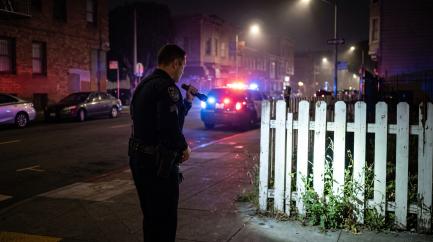
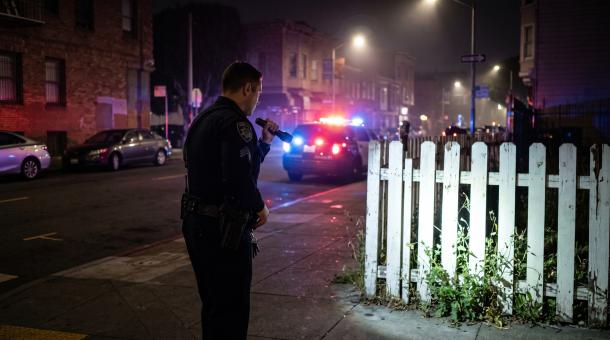
In United States v. Aguilera (9th Cir. Aug. 24, 2026) 188 F.4th 1203, San Francisco police officers responded to two ShotSpotter alerts reporting gunfire in the Mission District shortly before 2:00 a.m. Witnesses described the suspected shooter as a Hispanic male wearing a blue jacket who had fled on foot.
Officers soon spotted a man who generally matched that description. When an officer ordered him to stop, he ran. During the ensuing pursuit, an officer briefly lost sight of him. Approximately eight minutes later, another witness directed officers to a man hiding behind a nearby fence. Officers found defendant Fernando Aguilera lying in weeds behind the fence, approximately two blocks from the reported shooting and about ten minutes after the initial alerts.
Defendant generally matched the descriptions provided by witnesses and officers, although he wore tan boots rather than the reported black shoes. During the detention, officers recovered ammunition from a bag he was carrying and a magazine from his pocket. He was charged federally with being a felon in possession of ammunition.
The district court denied defendant’s motion to suppress the ammunition, finding that his detention was supported by reasonable suspicion. The Ninth Circuit affirmed.
2. What Is the Dispute
The principal issue was whether the officers had sufficient reasonable suspicion under the Fourth Amendment to detain defendant.
Defendant challenged the reliability and specificity of the eyewitness descriptions, questioned whether his appearance sufficiently distinguished him from others in the neighborhood, and argued that his flight from police did not justify the detention.
The government relied on the combined circumstances: reports of recent gunfire, eyewitness descriptions, defendant’s proximity to the shooting, his matching appearance, his flight from police, his subsequent concealment, and a witness’s identification of where he was hiding.
The question was whether these circumstances, considered together and in ....