
- Ref # CAC00027
- April 08, 2021
Bivens Actions and a Federal Officer’s Civil Liability
- Federal Officers’ Civil Liability under a Bivens Action
- Fourth Amendment Use of Force and a Bivens Action
- Fifth Amendment Retaliation and a Bivens Action
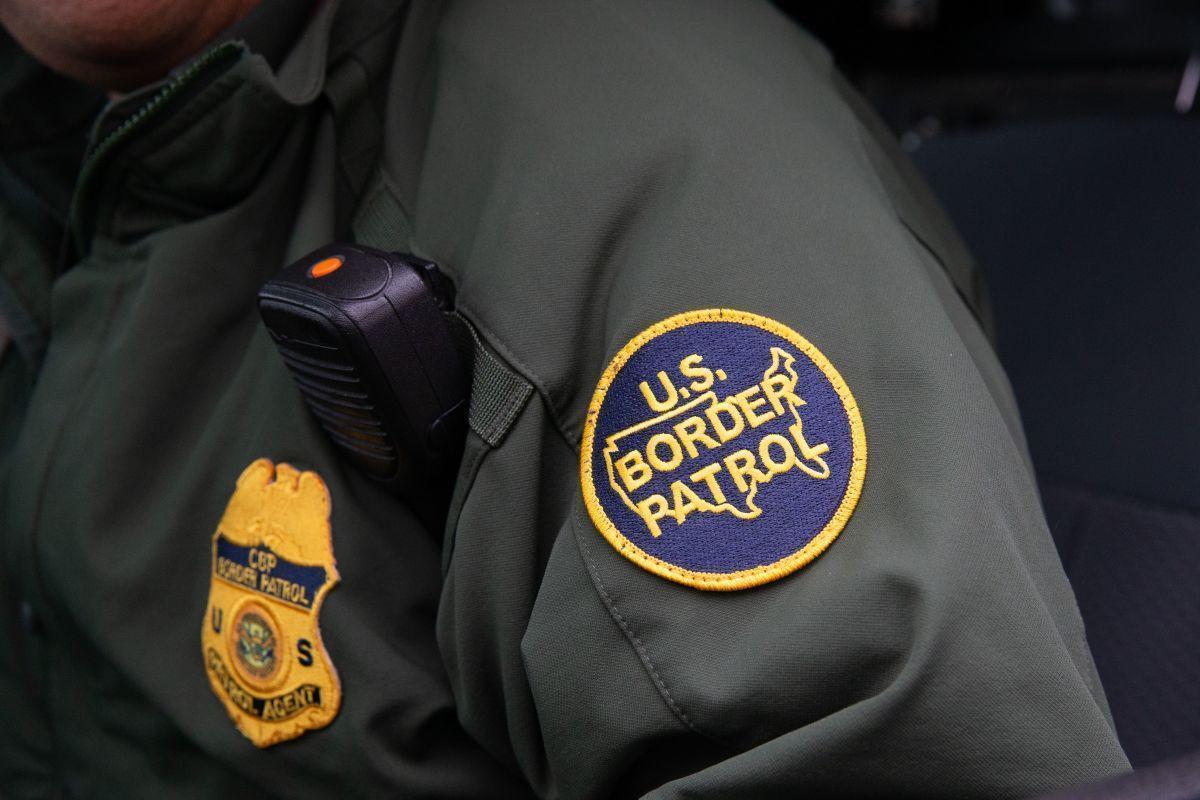
The U.S. Supreme Court case of Bivens v. Six Unknown Named Agents of Federal Bureau of Narcotics provides a non-statutory civil remedy to a U.S. citizen who alleges that a border patrol agent violated the Fourth Amendment by using excessive force while carrying out official duties within the United States. Bivens also provides a remedy for a violation of the First Amendment when a border patrol agent engages in retaliation entirely unconnected to his official duties.
Plaintiff Robert Boule—a U.S. Citizen—owns, operates, and lives in a small bed and breakfast inn in Blaine, Washington. His property backs up right to the U.S.-Canadian border. On March 20, 2014, he was expecting a guest who, although flying in from New York, was originally from Turkey. While Plaintiff was running errands in town, Customs and Border Patrol Agent Erik Egbert contacted him and asked him about guests staying at his inn. Plaintiff told him about the Turkish guest who, at that moment, was being picked up by an employee of the inn at the Seattle-Tacoma International Airport, some 125 miles south of Blaine. Interested in checking this new guest out, Agent Egbert stationed himself at the entrance to the inn, waiting for him to arrive. When he did, Agent Egbert followed the car up plaintiff’s driveway and attempted to contact the Turkish guest. Plaintiff interceded, however, telling the agent to leave. When Agent Egbert ignored him, plaintiff stepped between the agent and the car, asking him again to leave. Per plaintiff’s ....