
- Ref # CAB00002
- November 11, 2020
United States v. Cano; Border Searches
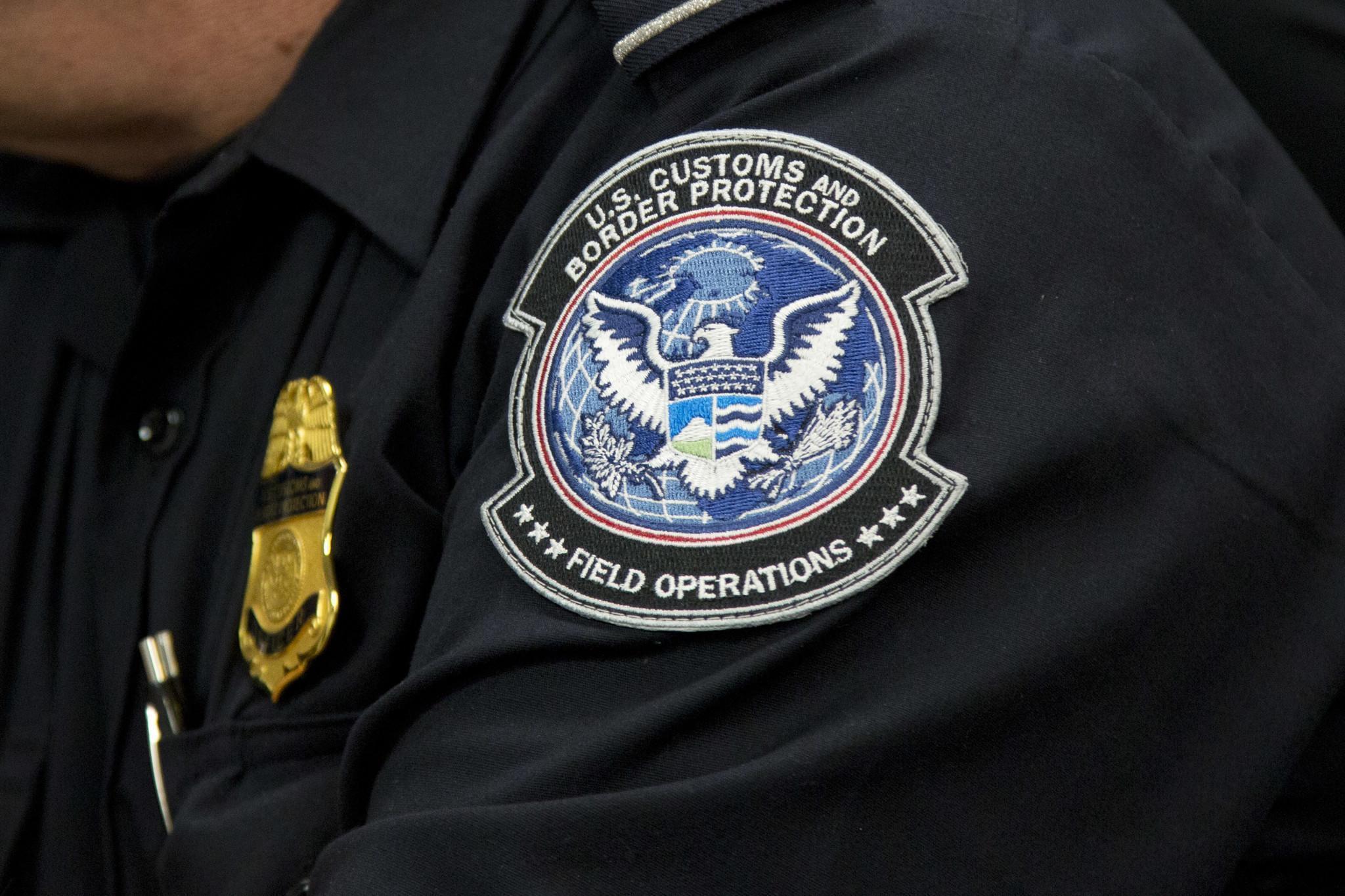
In California Legal Update, Vol. 25, #5 (Apr. 16, 2020), I briefed the Ninth Circuit case of United States v. Cano (9th Cir. Aug. 16, 2019) 934 F.3rd 1002, where the Court reversed the defendant’s conviction, holding that his cellphone had been illegally searched at the U.S.-Mexico border by Customs and Border Protection (CBP) agents. It seems that at the very least I missed the point of this case, if not its ultimate conclusions altogether. Subsequently, the Ninth Circuit has denied a petition for rehearing en banc ((Sept. 2, 2020) 973 F.3rd 966) where a six-judge dissent argued that the original Cano decision is just dead wrong. In the Cano decision, it was held that a “forensic border search” of a cellphone is limited to those instances where there is a reasonable suspicion to believe that the suspect’s phone contained “digital contraband.” The term “forensic” is never defined, but is defined in the dictionary as “relating to or denoting the application of scientific methods and techniques to the investigation of crime.” “Digital contraband,” however, is defined by the Cano Court as being limited to stuff like child pornography. A search of defendant’s cellphone for evidence of his particular offense (i.e., smuggling cocaine) requires probable cause and a search warrant, says the Cano Court, despite piles of contrary case law to the effect that non-forensic border searches do not require any level of suspicion, and certainly not a search warrant. (E.g., see United States v. Montoya de Hernandez (1985) 473 U.S. 531; and United States v. Flores-Montano (2004) 541 U.S. 149.) As pointed out in the en banc denial dissent, a more intrusive forensic search of one’s electronic equipment (e.g., computers [see © 2026 Legal Updates, LLC.
This content is protected by copyright law. Republishing or redistribution in any form without written permission is strictly prohibited. For licensing or reprint requests, contact support@legalupdates.com.