
- Ref # CAB00010
- November 22, 2020
Is Marijuana Addictive?
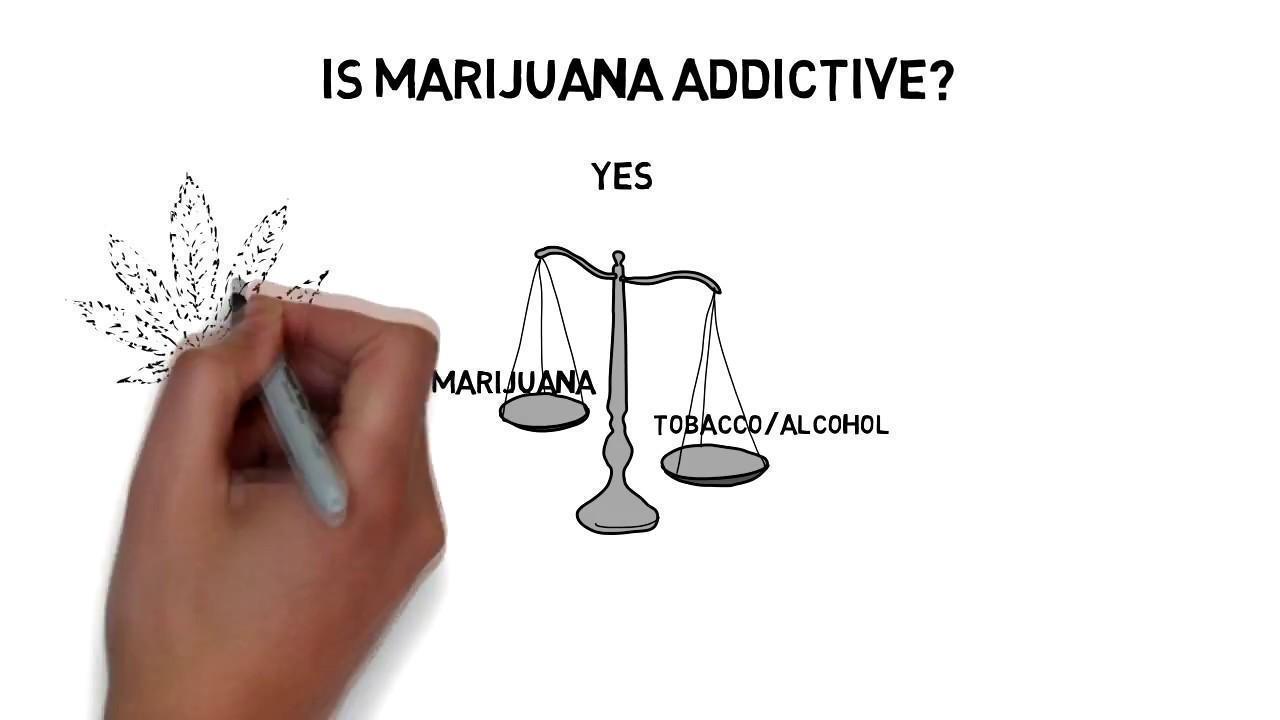
As of today, eleven states and the District of Columbia have fully legalized the recreational use of marijuana; more modernly referred to as “cannabis.” California, of course, is among those states. In addition to these 12, twentytwo other states have legalized the limited use of marijuana for medicinal purposes. But is the use of marijuana addictive? Most users of the substance would likely say “no.” But despite a marijuana smoker’s obviously biased opinion, there is in fact increasing evidence to the effect that marijuana is indeed addictive. Treatment specialists are estimating that as of today, one-in-ten users of marijuana (one-in-six for those who start before the age of 18) will become addicted, “meaning they continue to use compulsively even when it messes up their lives.” Marijuana addiction even has a name: “Cannabis Use Disorder.” “Marijuana Anonymous” organizations, patterned after “Alcoholics Anonymous” but with their own 12-step program for getting unhooked, are springing up 3 nationally as the use of the drug is becoming more and more popular. A number of war stories describing lives spiraling down into depression, lost jobs, broken families, and worsening financial issues, are summarized in a news article on the subject as published in the Rapid City Journal, dated March 28, 2020. (“Think marijuana isn’t addictive? Former users strongly disagree” Google this title and you’ll get numerous articles on the issue. And while you’re at it, Google “Marijuana and Brain Damage.”) But what do the experts think? An administrator (Michael Mahoney) at the Hazelden Betty Ford Treatment Center on Chicago’s Near North Side, is quoted as saying: “People want to stop using and can’t. They have to use in greater quantities to get the same effect or just have a feeling of normalcy. Along the way, problems emerge.” Dr. Itai Danovitch, chair of the department of psychiatry at Cedars-Sinai in Los Angeles, and a member of the American Society of Addiction Medicine, tells us that the hallmarks of cannabis use disorder are similar to those of other addictions. Per Dr. Danovitch, a user becomes physically dependent on the drug, needing more to achieve the same effect. At some point the user loses control over his or her consumption, continuing to use even after the person’s use causes him or her to suffer adverse consequences. Those consequences, however, at least ....
© 2026 Legal Updates, LLC.
This content is protected by copyright law. Republishing or redistribution in any form without written permission is strictly prohibited. For licensing or reprint requests, contact support@legalupdates.com.