
- Ref # CAB00173
- August 24, 2022
Are vehicle searches Legal after finding ammunition on passenger?
By: Ray Hill, Professor Emeritus, Santa Rosa Junior College
One of the rewards of teaching is having contact with past students. Periodically, I get emails or phone calls about case law. Most calls are just confirming, “Is what I did OK ” And, almost 100% of the time, the officer or deputy is right on point with existing case precedent.
I want to share a recent conversation and question from K-9 Officer Guillermo (Memo) Arguelles of Daly City P.D. His proactive field work and application of case law led to getting a true “bad guy” off the street.
The facts are straightforward:
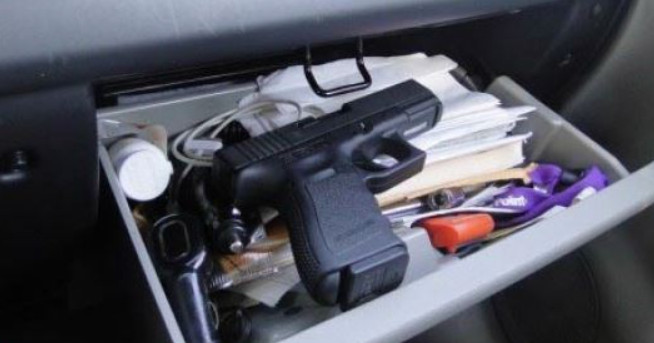
Officer conducts a traffic stop; the passenger in the rear seat has an outstanding warrant and is arrested; a search of the passenger incident to arrest revealed founds of handgun ammunition on her person; Officer searches the vehicle for the gun that fits the ammunition and finds three stolen handguns in the glove compartment. Turns out the driver of the vehicle is already a convicted felon.
Question was – “I believe I’m good, but just want to confirm ”
The answer is - Absolutely! In fact, one of the landmark cases that interpreted the “Automobile Exception” is United States v. Ross (1982) 456 U.S. 798 (See “From the Classroom” - “The Auto Exception – An Expanded History of Transportation” - LU Ref. CAB0015, February 14, 2022.
In the Ross decision, Washington D.C. officers made a traffic stop for drug investigation. The officers “plain viewed” a bullet on the front seat. A further search revealed a handgun in the glove compartment. A paper bag containing bindles of heroin packaged for sale and a leather pouch containing $3200 cash were found in the trunk. U.S. ruled officers had a “fair probability” or “substantial chance” to believe there was a ....
© 2026 Legal Updates, LLC.
This content is protected by copyright law. Republishing or redistribution in any form without written permission is strictly prohibited. For licensing or reprint requests, contact support@legalupdates.com.