
- Ref # CAC00051
- October 25, 2021
Interrogating Minors and Beheler Admonishments
- Miranda; Questioning Minors
- Interviews of Minors and the Issue of Custody
- The Effectiveness of a Beheler Admonishment
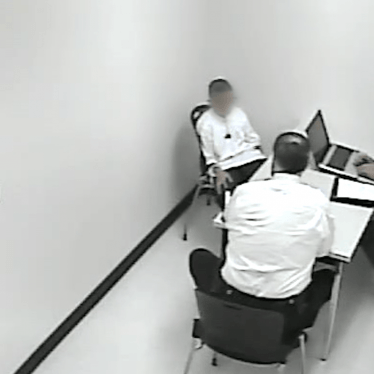
Absent a determination that a criminal suspect is in custody, a Miranda advisal and wavier is not legally required in order to question him. However, telling a suspect that he is not under arrest and not in trouble does not necessarily, depending upon the circumstances, render the suspect not in custody for purposes of Miranda. The fact that a suspect is known by a police interrogator to be a minor is a factor to consider in determining whether he is in custody.
17-year-old defendant Matthew W.—all 5’ 6” and 130 pounds of him—was sitting in his car on Main Street in the City of Napa during the early morning hours (i.e., between 12:45 and 1:00 a.m.) of January 21, 2020, waiting for his friend, 17-year-old Andrew G., to sneak out of his house so the two of them could hang out together. Although later testimony from defendant, Andrew, and Ralph C. (the victim in this case) varied in some respects, particularly as to who was the primary aggressor, the following generally describes what occurred. Andrew, in his haste to meet up with his bud, ran (or “walking at a fast pace”) out from behind a fence next to a car and almost ran into Ralph C. Ralph, pushing his bike down the street, was on his way to a 7-Eleven. Ralph was described in the case decision as a homeless man who lived in a nearby storage shed. At the time, he was 57 years of age, 5’ 10” or 11” tall, and weighing some 230 pounds. He was also an admitted alcoholic, drinking a fifth of vodka a day. That night, although denying he was under the influence, Ralph admitted that he had taken a “hit” on a marijuana cigarette earlier. On the preceding Sunday (two days earlier), he had ingested some methamphetamine. But that doesn’t mean Ralph wasn’t a good ....