
- Ref # CAB00247
- July 14, 2024
Supreme Court Overturns Anti-Camping Ordinances in Landmark Decision on Homelessness Policies
Homelessness and Anti-Camping Ordinances
By Robert Phillips, DDA (Ret)
Homelessness has been a serious social problem in the United States for some time. It has been estimated that on any given night (understanding that the number fluctuates on a daily basis), somewhere around 653,104 people could be classified as homeless in the United States. (Per Google; at least in the year 2013.) And it’s only getting worse. California in particular has borne the brunt of homelessness, with about half of the homeless in this U.S. living in what was once considered to be the “Golden State.”? The other four states with the highest rates of unsheltered homelessness in the country include Oregon, Hawaii, Arizona, and Nevada. Along with Idaho, all lie within the American West, and all coming under the jurisdiction of the federal Ninth Circuit Court of Appeals. (See the 2023 Annual Homeless Assessment Report [AHAR] to Congress.) And only to aggravate the whole problem, it has been estimated that around 78% of the unsheltered suffer from mental-health issues, while 75% struggle with substance abuse. (J. Rountree, N. Hess, & A. Lyke, Health Conditions Among Unsheltered Adults in the U. S., Calif. Policy Lab, Policy Brief 5 (2019).)
Just about every level of California’s various governmental entities (not to mention those of the other western states, including Idaho) has been experimenting with the best way to deal with the homeless in a manner that both protects the rights and welfare of the homeless as well as the rights of everyone else who have to live and work amongst them. This has proven to be a very difficult—if not impossible—task. Ignoring the various government entities’ largely counterproductive—but certainly controversial—attempts to at least control the problem by providing the homeless with free needles, free drugs, free alcohol, free food, and free housing, some of these same entities have sought other ways to get a handle on the issue through the enactment of ordinances seeking to outlaw the very act, in effect, of being homeless.
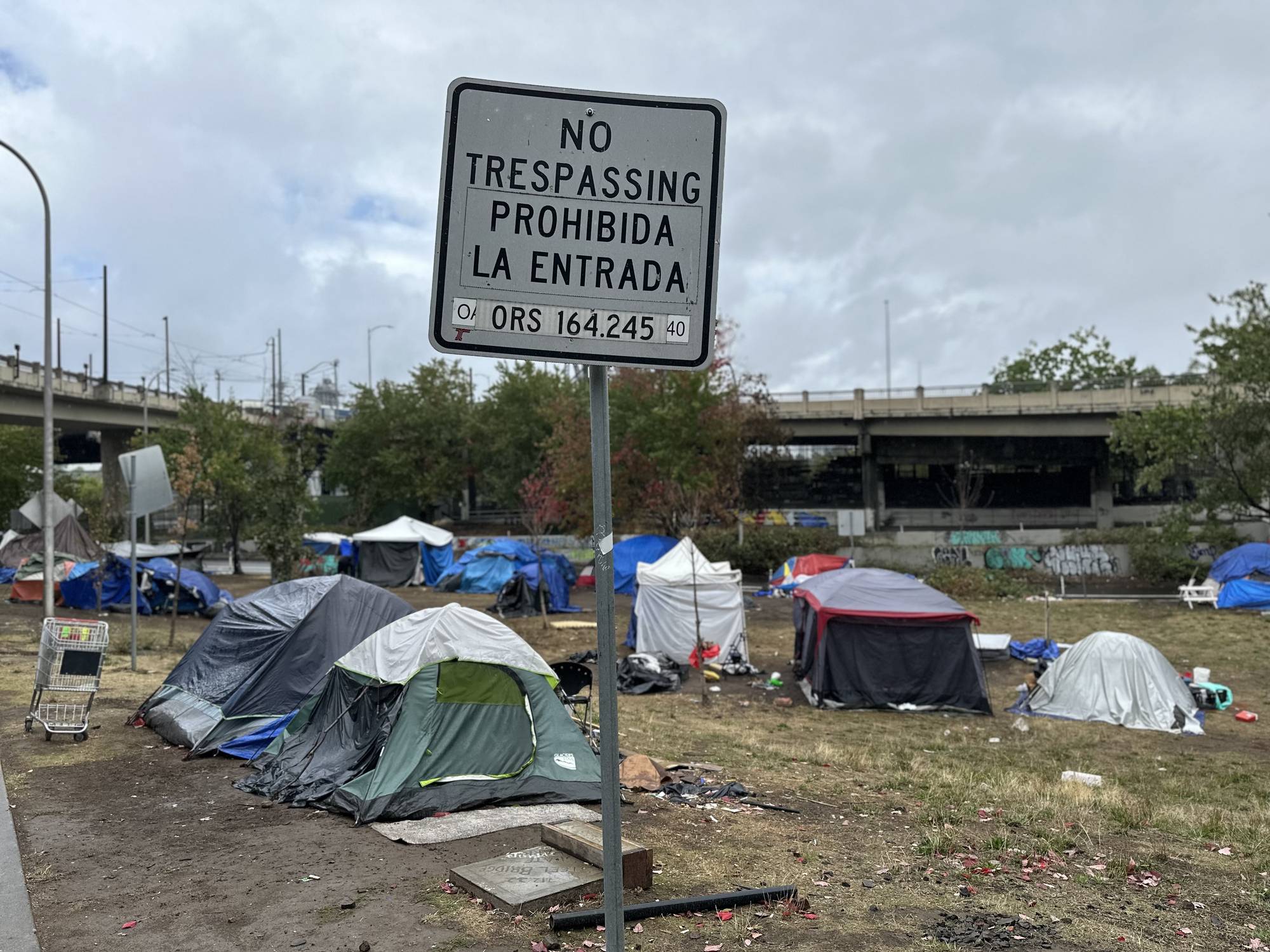
The bulk of the homeless tend to live in tents, cardboard boxes, sleeping bags, and other makeshift covers protecting the individual from the elements to the extent possible. Some simply live out in the open, finding shelter wherever they can, such as under ....
© 2026 Legal Updates, LLC.
This content is protected by copyright law. Republishing or redistribution in any form without written permission is strictly prohibited. For licensing or reprint requests, contact support@legalupdates.com.