
- Ref # CAC10138
- April 20, 2026
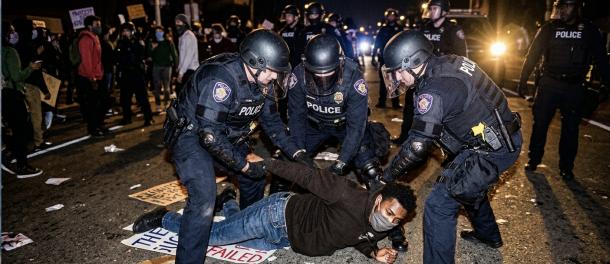
You have a suspect in custody. How much force is reasonable to use in restraining them after they’ve been subdued? This appeal from an Arizona in-custody death could have serious implications for how you subdue and continue to restrain a subject out in th
Legal Concepts and Case Citation
Use of force
The doctrine of qualified immunity
The use of a RIPP restraint in subduing a resisting suspect
Subduing a resisting suspect by a knee to the suspect’s back
Gonzalez v. City of Phoenix (9th Cir. Jan 8, 2026) 163 F.4th 1289
Rule: Once a violent drug-induced subject is subdued, officers must lessen the force being used to the point where the danger to the subject is minimized to the extent possible without losing control of him.Tightening a RIPP restraint beyond what is allowed, particularly when added to an officer kneeling on the subject’s back, has the potential of seriously injuring or killing the subject and generating potential civil liability for the officers involved.
Summary: After pursuing and apprehending Ramon Timothy Lopez, who had taken methamphetamine, and after a foot chase on a hot August day in Phoenix, Arizona, officers of the Phoenix Police Department caught him, ....
Keep reading this case update
Create a free Basic account to unlock the rest of this article and stay current on California & federal rulings.
- The RIPP-restraint protocol the officers deviated from
- Where the Graham factors cut off post-subdual force
- What Lopez said before he stopped responding