
- Ref # CAC00126
- December 19, 2023
New Decision on Non-Custodial Interviews and the Definition of “Inhabited”
It is not necessary to prove a person intends to live in a residence after arson of an inhabited structure (451(b) P.C.). Questioning the defendant in this instance was not custodial.
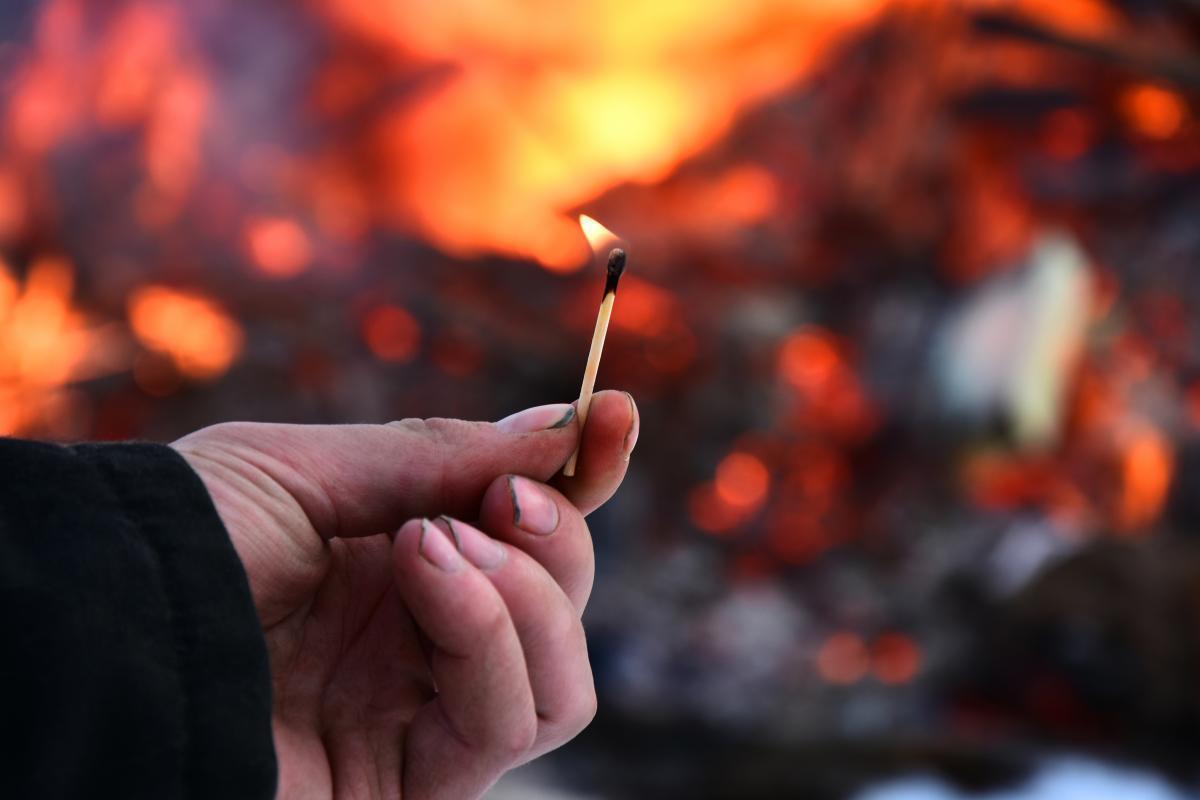
A neighbor reported a fire at the defendant’s Napa County residence. The investigation determined that the fire had started on a bed and was caused by gasoline exposed to a flame source. The defendant, Buckner, arrived at the fire scene and said he had been hiking at a local nature preserve.
Buckner was invited to the police station for an interview. He agreed to accompany the investigator in the front seat of a patrol car and was not handcuffed. At the station, he was told that he was not under arrest and was read his Miranda rights. He denied starting the fire, admitted that he was living in the home, however the home was in foreclosure proceedings because he had not paid the mortgage after losing his job. He said he was “waiting to be evicted” and that he didn’t want to live in the house or in the area anymore. The interview lasted only a “few minutes,” was conducted by one officer and Buckner was allowed to leave when he asked to consult with an attorney. His statements concerning residency were admitted at trial for the purposes of proving “inhabited dwelling.”
The loss paid by the insurance company to the mortgage company was $186,633.
Buckner was convicted of arson of an inhabited structure and sentenced to three years in prison. He appealed on the grounds that he couldn’t return to the structure after the fire damage, thus the home was uninhabitable.
Arson ruling: The 1DCA ruled an “inhabited structure” under 451(b) P.C. means the structure is currently being used for dwelling purposes whether occupied or not. The structure was “habitable” at the time of the fire. Buckner admitted to having lived in the home before the fire and there was substantial evidence of his residency inside the dwelling (personal belongings, documents and a vehicle nearby). The court ruled that it was not necessary that the prosecution prove the defendant intended to live in the house after the fire. His conviction was upheld.
Statements ruling: The court ruled that although a ....